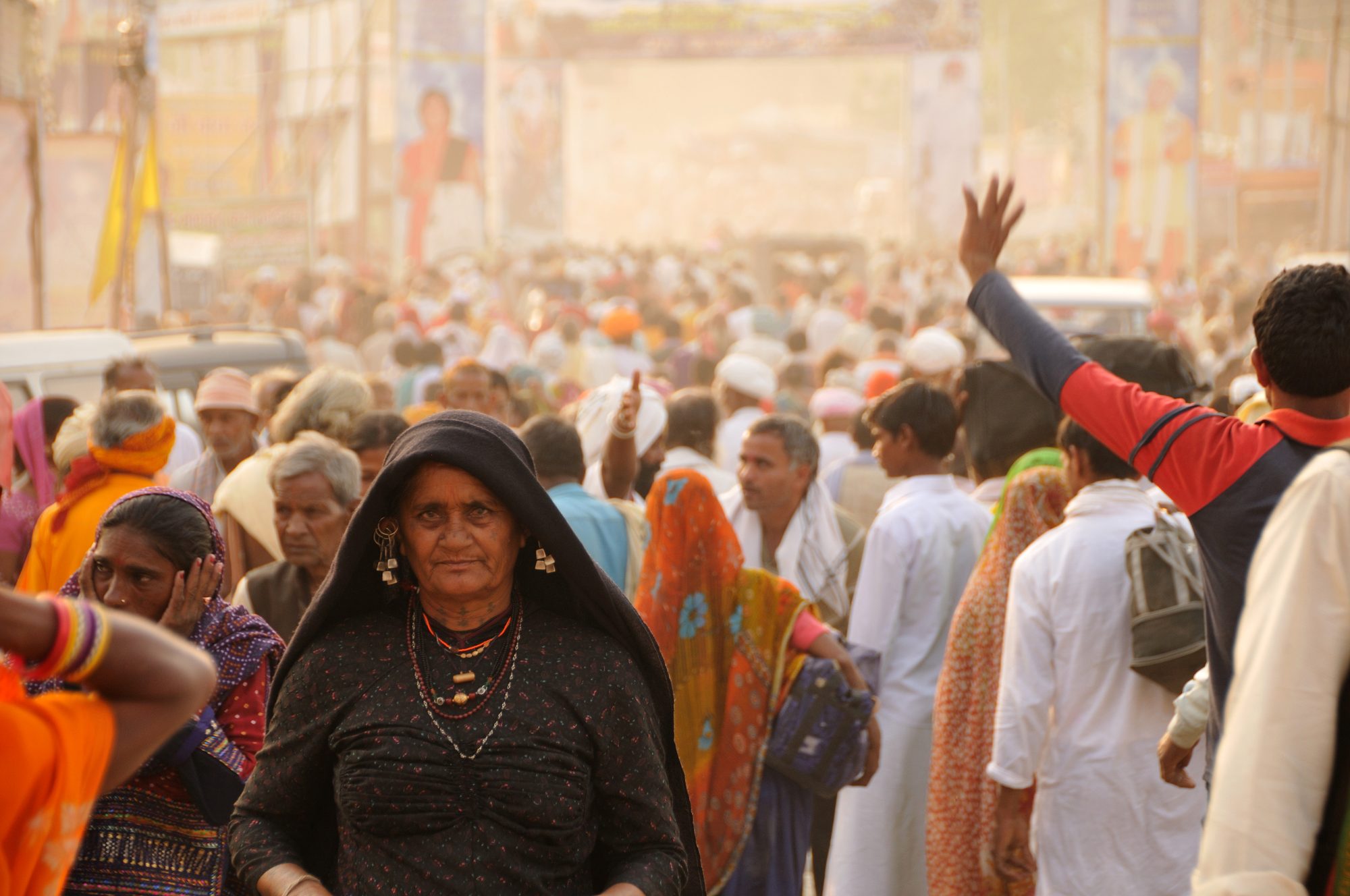
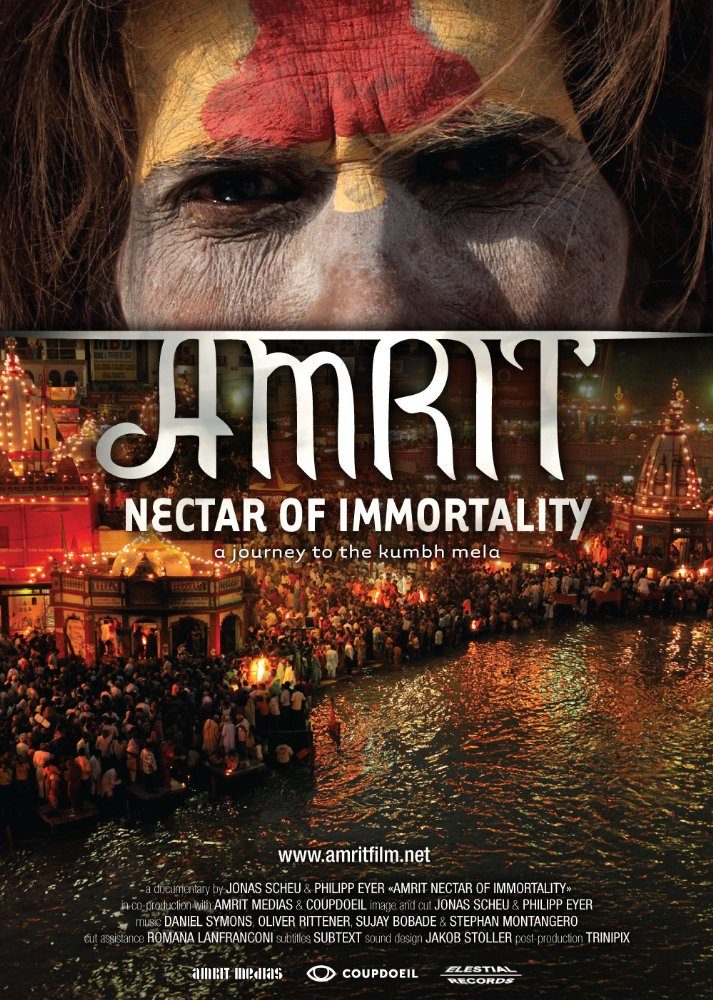
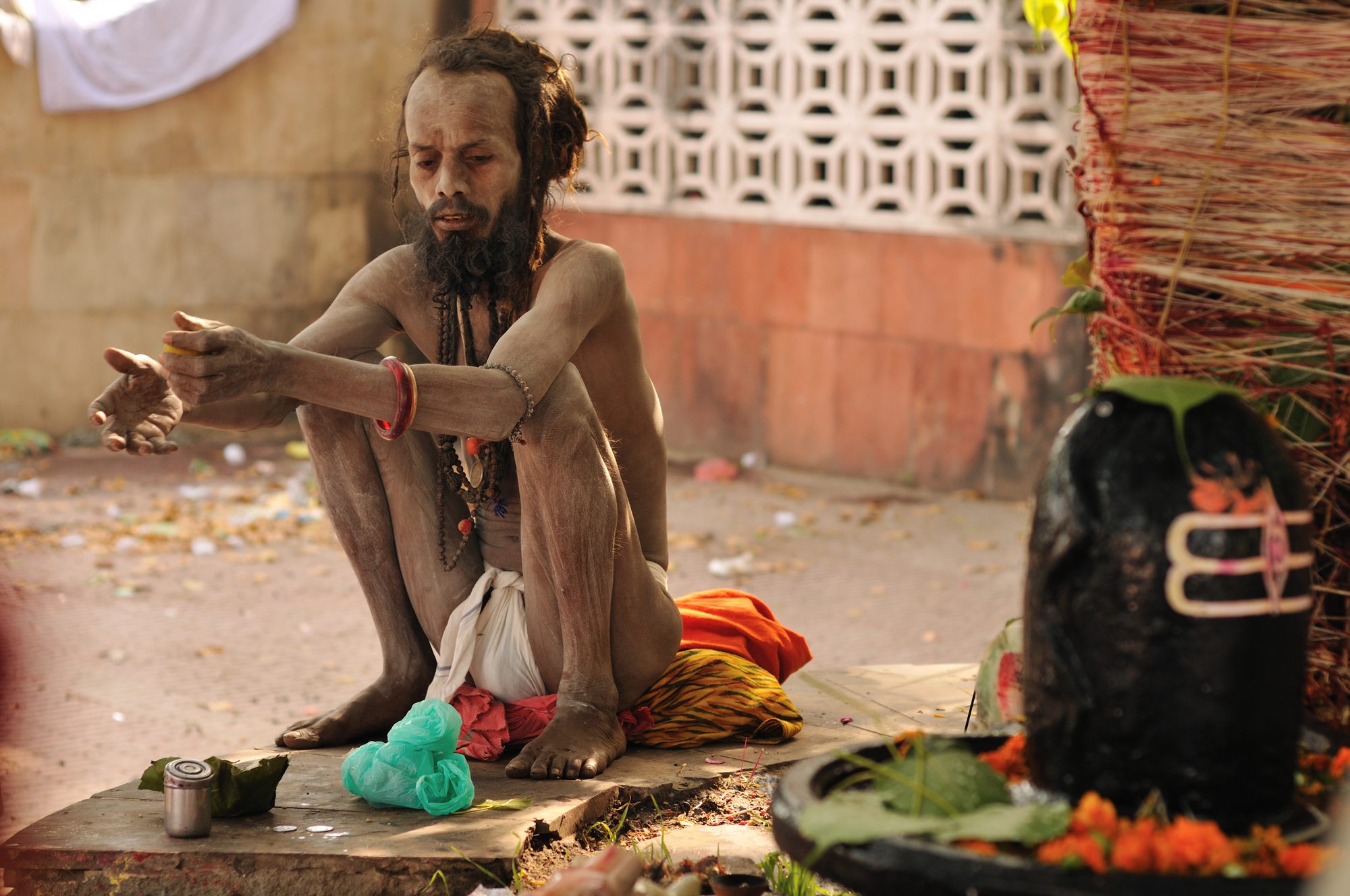
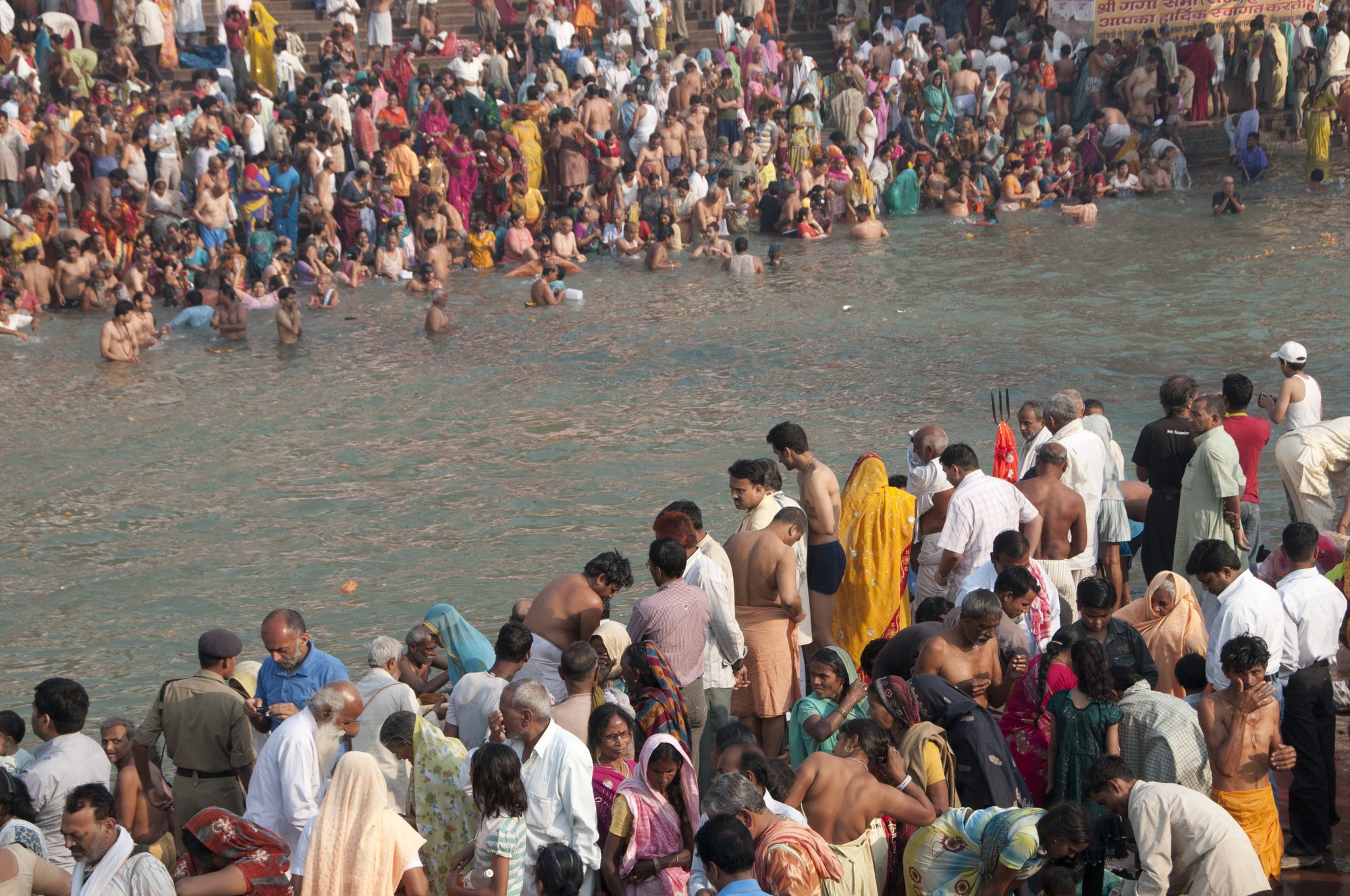
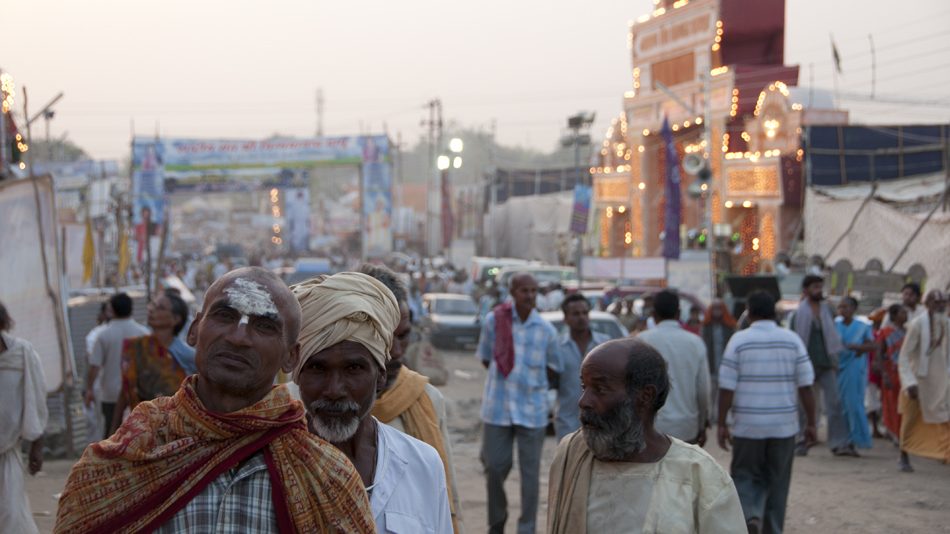
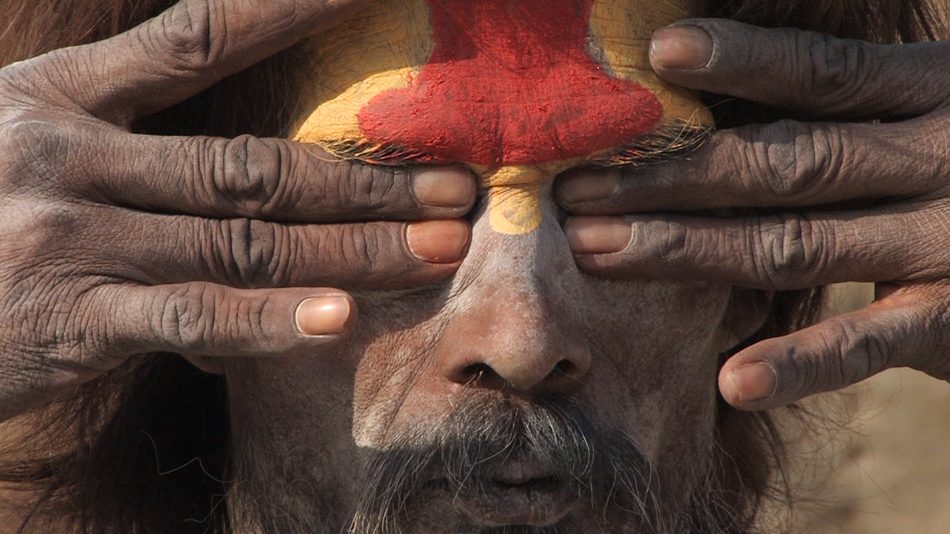
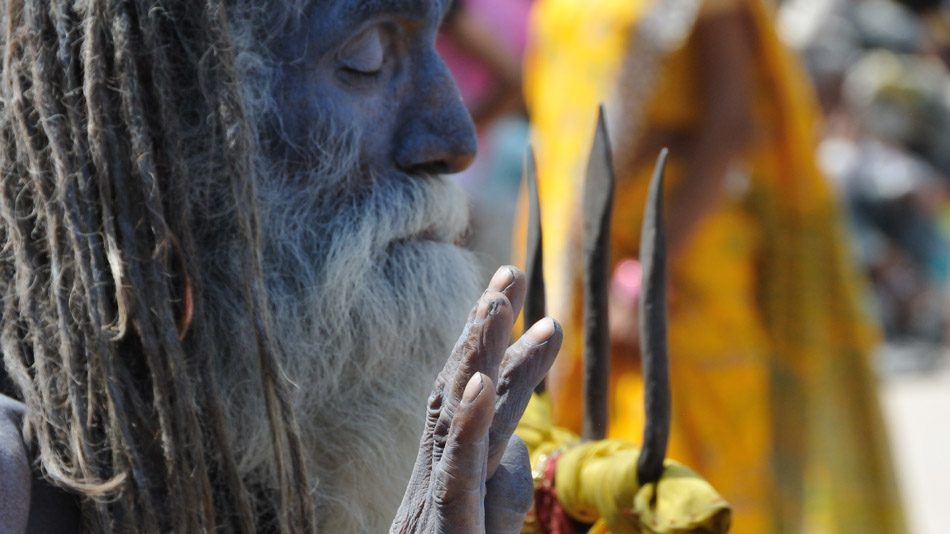
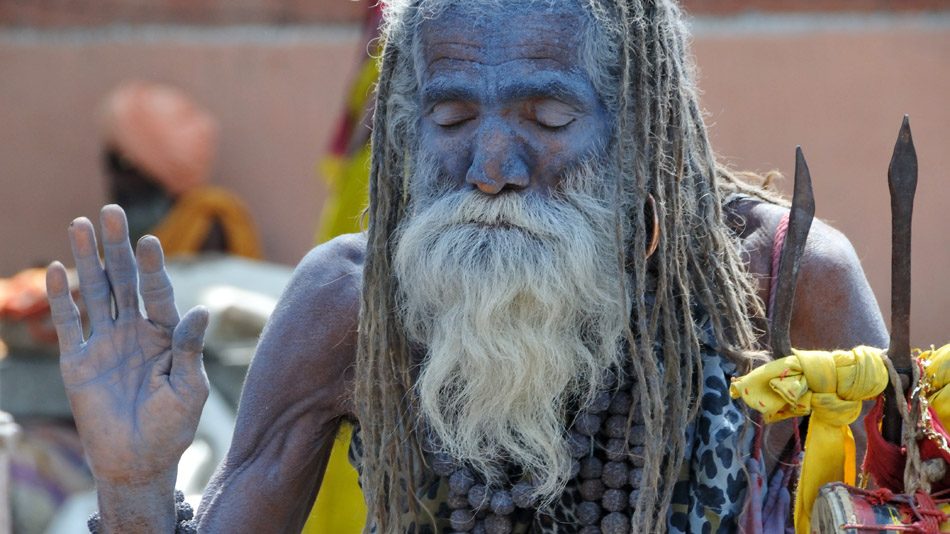
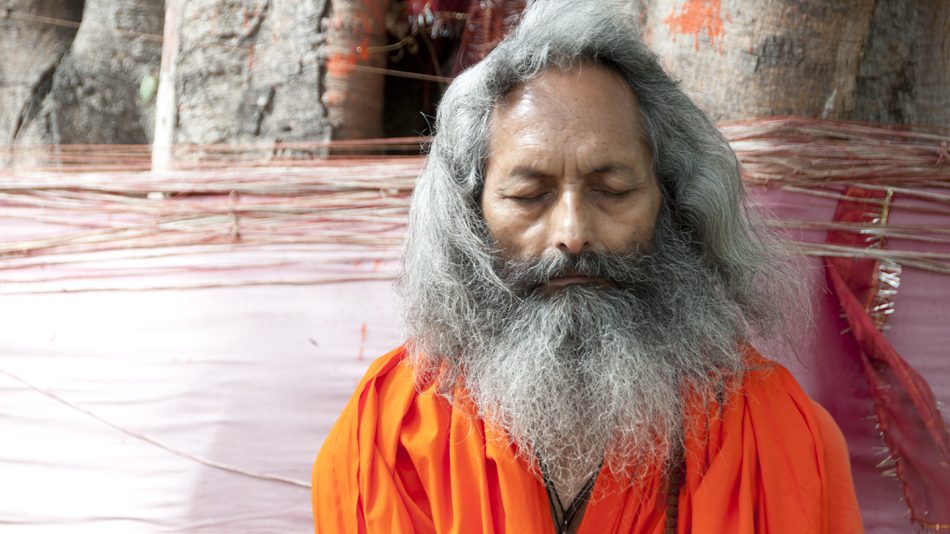
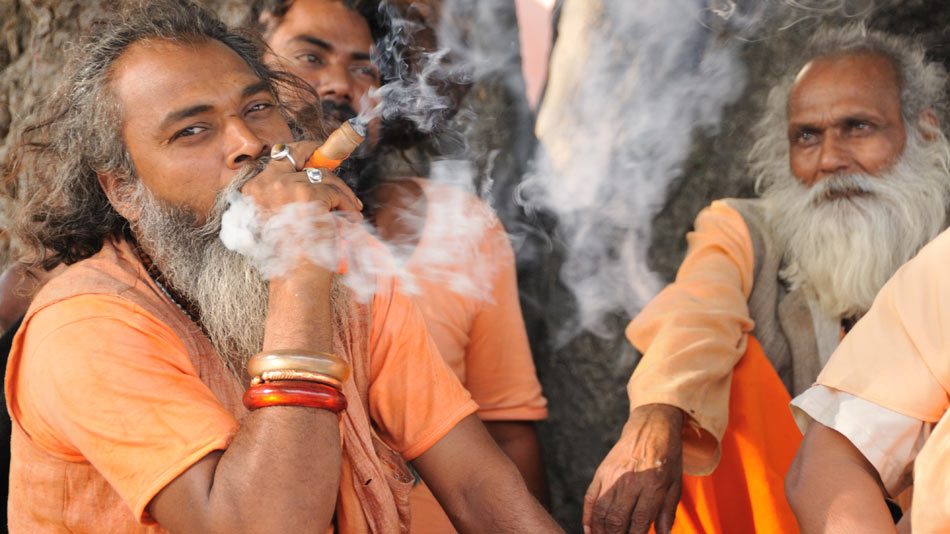
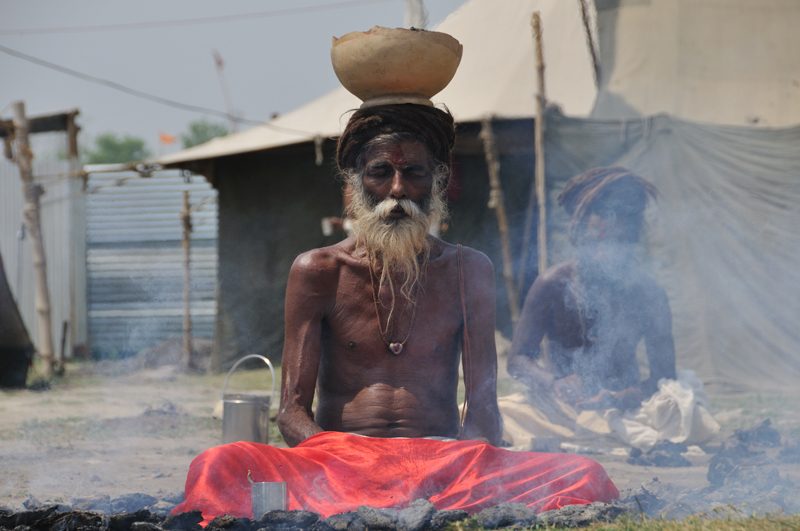
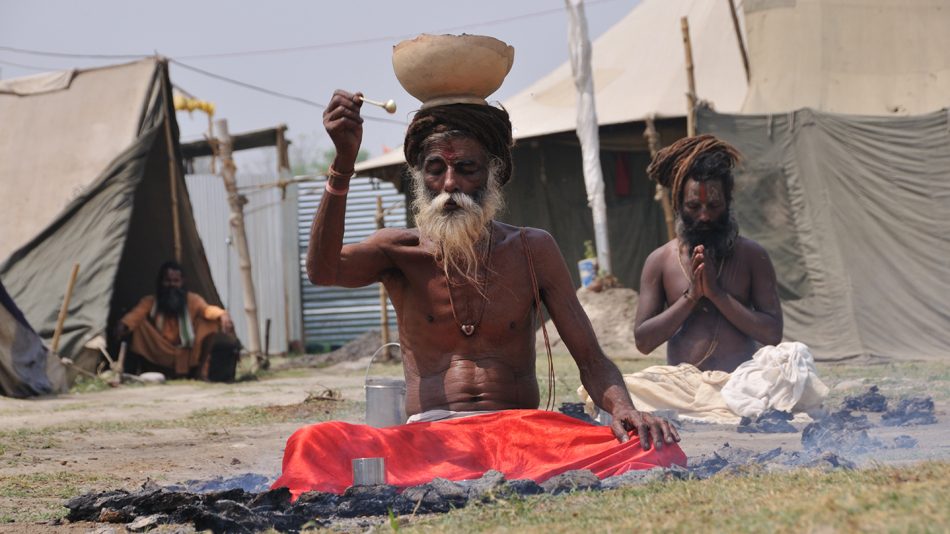
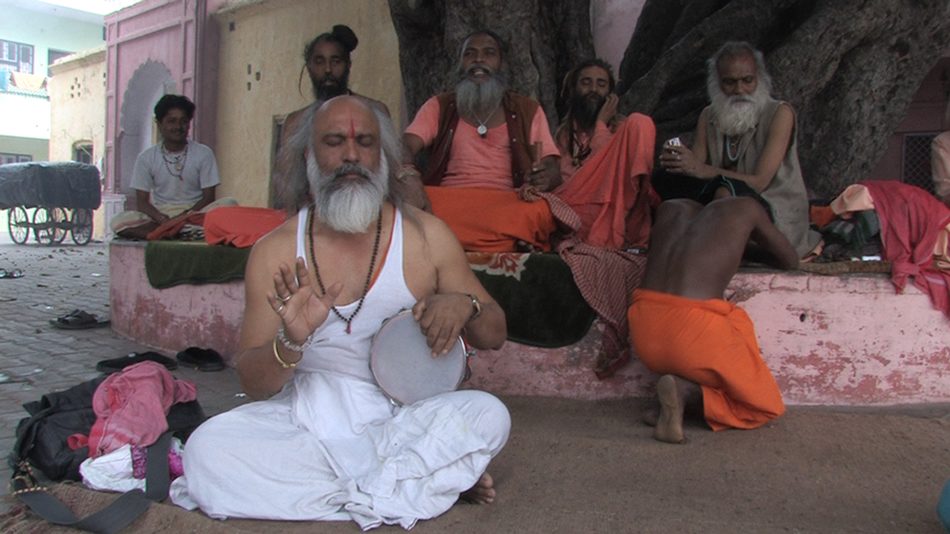
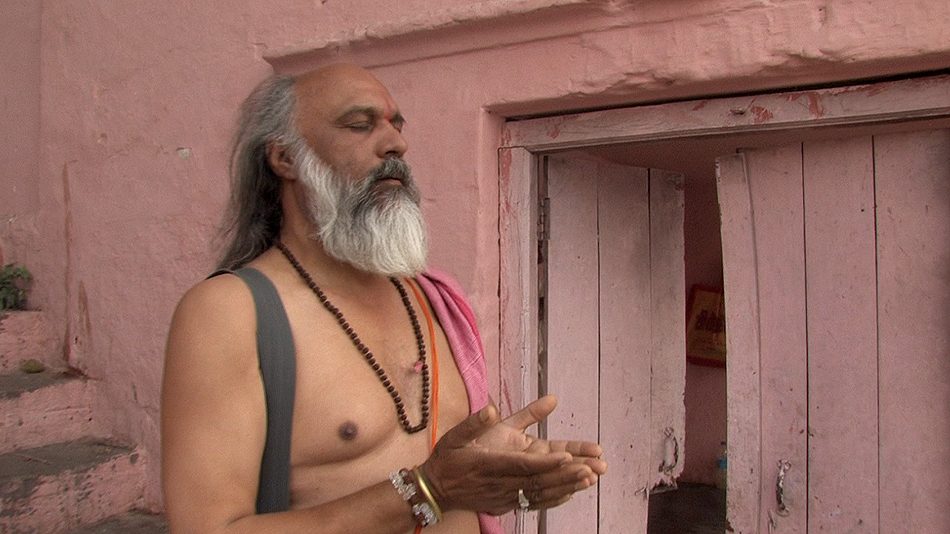
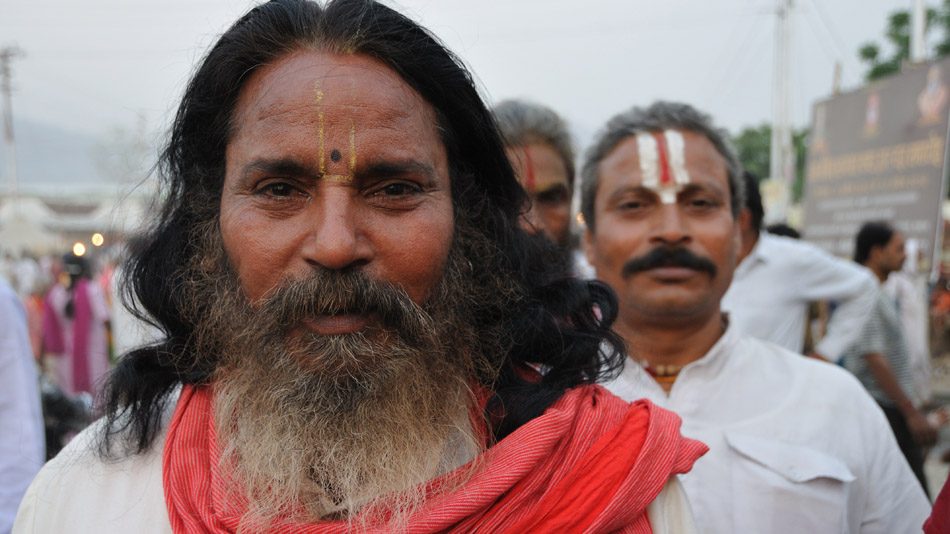
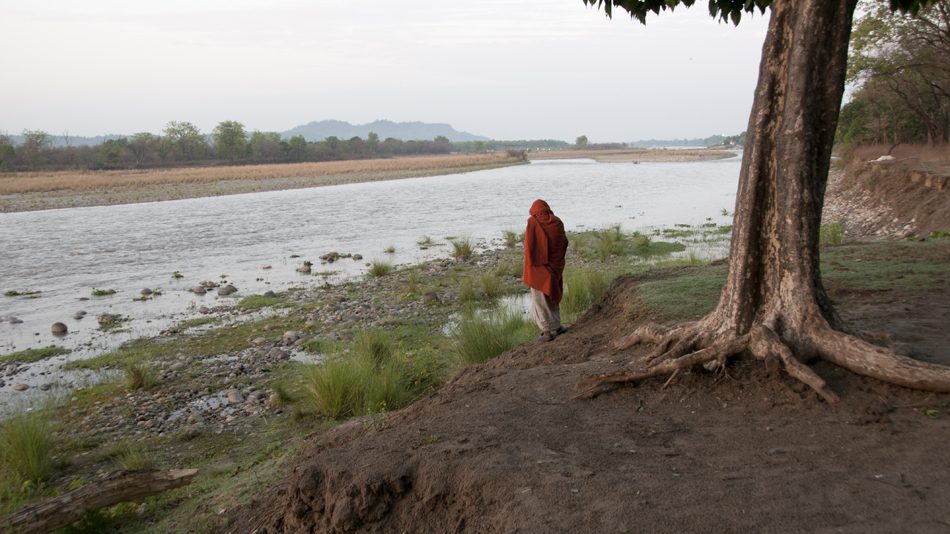
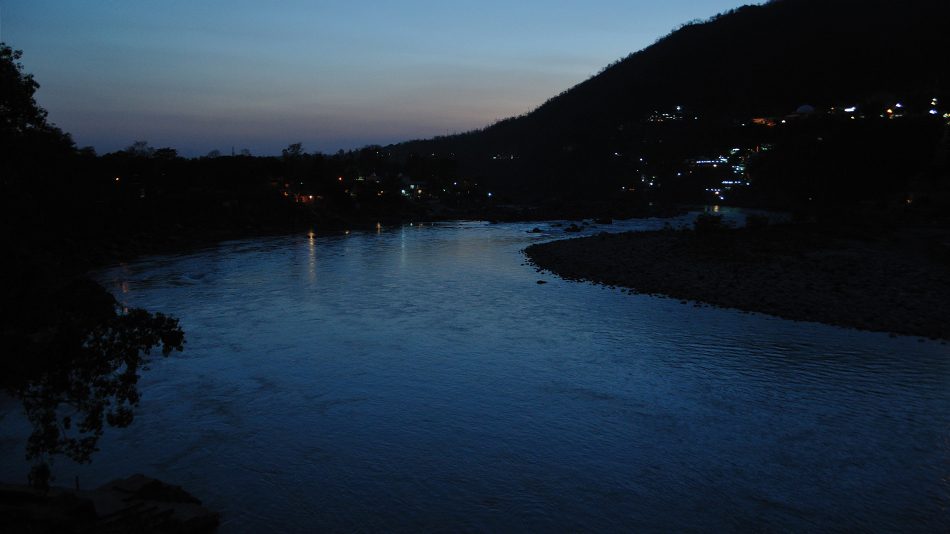
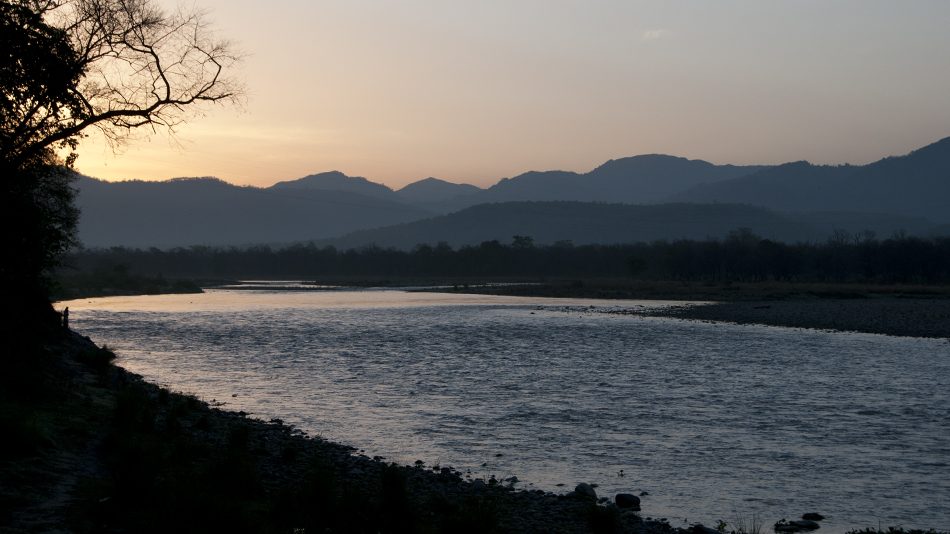
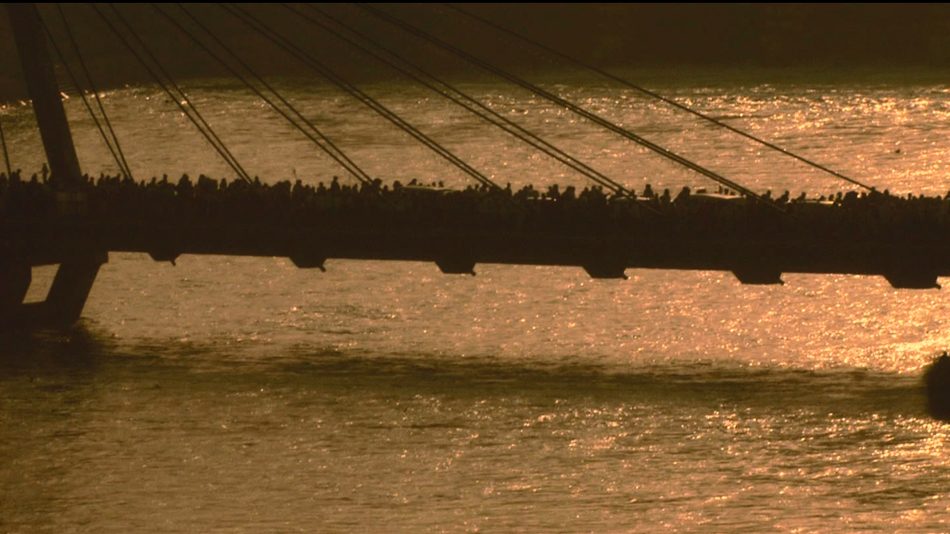
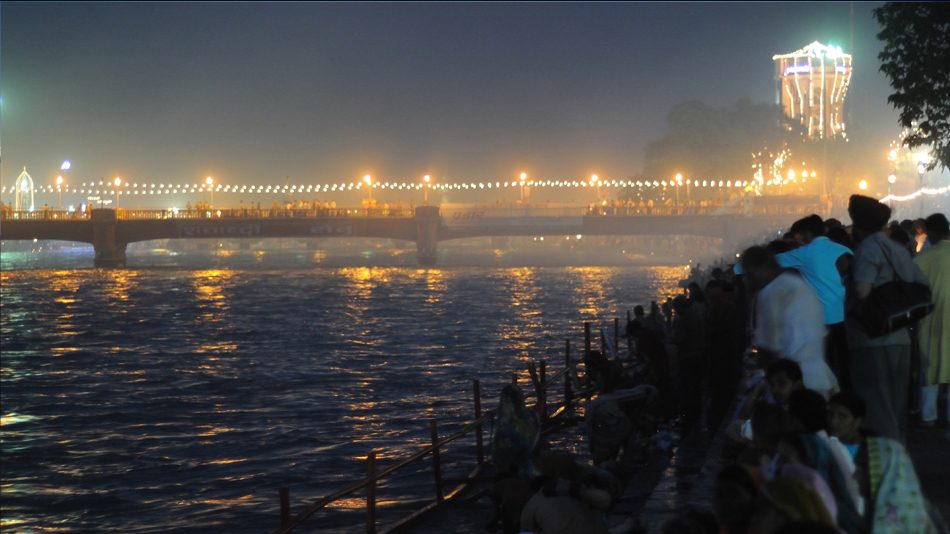
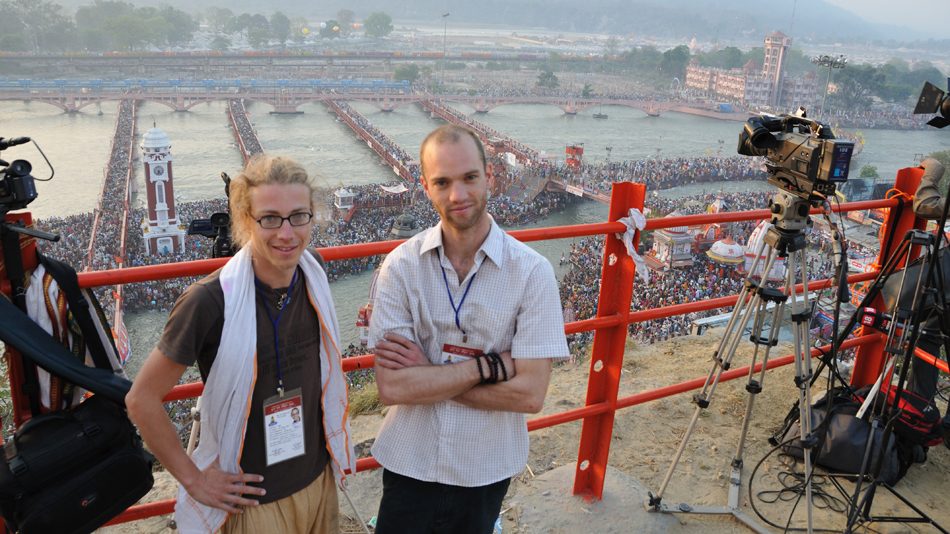
“Amrit Nectar of Immortality” is a documentary shot during the world’s largest pilgrimage festival, the Kumbh Mela, in Haridwar in northern India. It tells the stories of people and their bond with the holy river Ganges. Pilgrims, ascetics, yogis, Western emigrants, scientists and environmental activists speak about their life on the river, their faith, the future of the Ganga and the meaning of Amrit, the nectar of immortality.
But what is Amrit? A mysterious drink? The holy water of the Ganges? Or rather an inner path to the immortality of the soul? The film is a journey in search of answers to these questions, a journey into a strange world, in search of the nectar of immortality.
“He who dwells in the water, and within the water, whom the water does not know, whose body the water is, and who rules the water within, he is your Self, the ruler within you, the Amrita, the immortal.”
A film by Jonas Scheu and Philipp Eyer, co-produced by Amrit Medias and Coupdoeil. World premiere on 26 May 2012 at the “Imagine India” festival in Madrid.
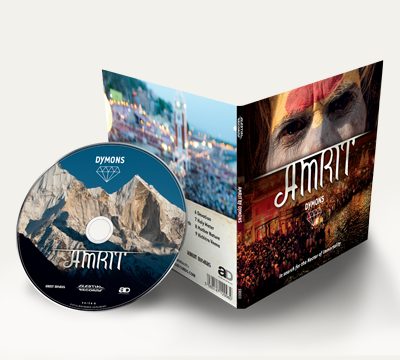
Amrit Medias also created the photography, the poster, the design of the DVD and soundtrack CD, and the website for the film. More about the authors: jonasscheu.ch.
Order the DVD and CD
DVD
1 hour of bonus material with Sunderlal Bahuguna, Siddharta Krishna, Narmada Puri, Arun Mishra, sadhus and yogis of the Kumbh Mela. 28-page booklet with background information on the film and the Kumbh Mela. Subtitles: DE/EN/FR/SP.
ServicesPhotography, poster, DVD and CD design, website
More about the film
Protagonists
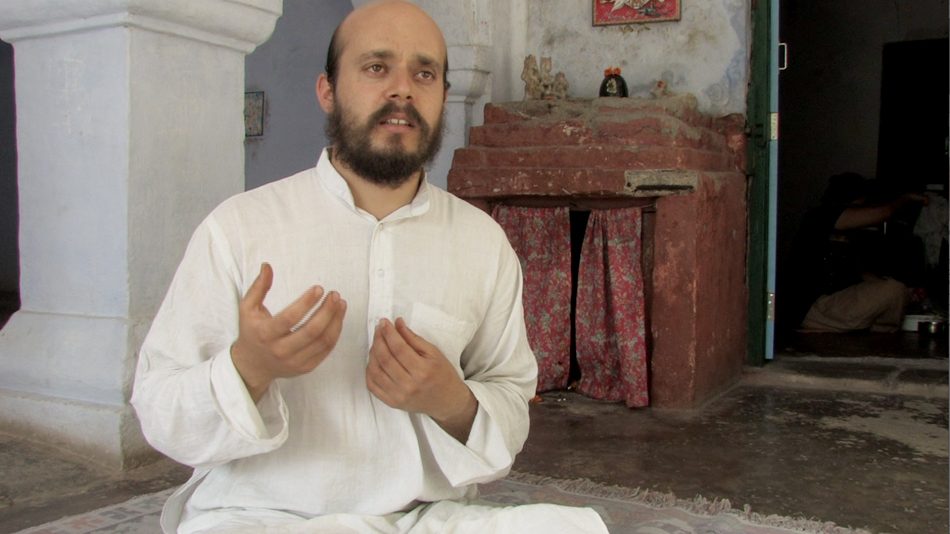
Shri Siddhartha Krishna Brahmachari
Siddhartha’s mother came to India from Switzerland in the 1970s and married a yogi named Prabhupada Acharya Surya Prakash (Prabhuji). After Siddhartha was born, the family spent five years in Tägerwilen in the canton of Thurgau. But his father wanted Siddhartha to become a monk and study the holy scriptures of Hinduism. He studied for twelve years and became a monk. At the time of filming he taught at the Shri Kailas Ashram Brahmavidya Peetham (Institute of Vedantic Research & Studies) and cared for his blind and ailing father Prabhuji on the banks of the Ganges.
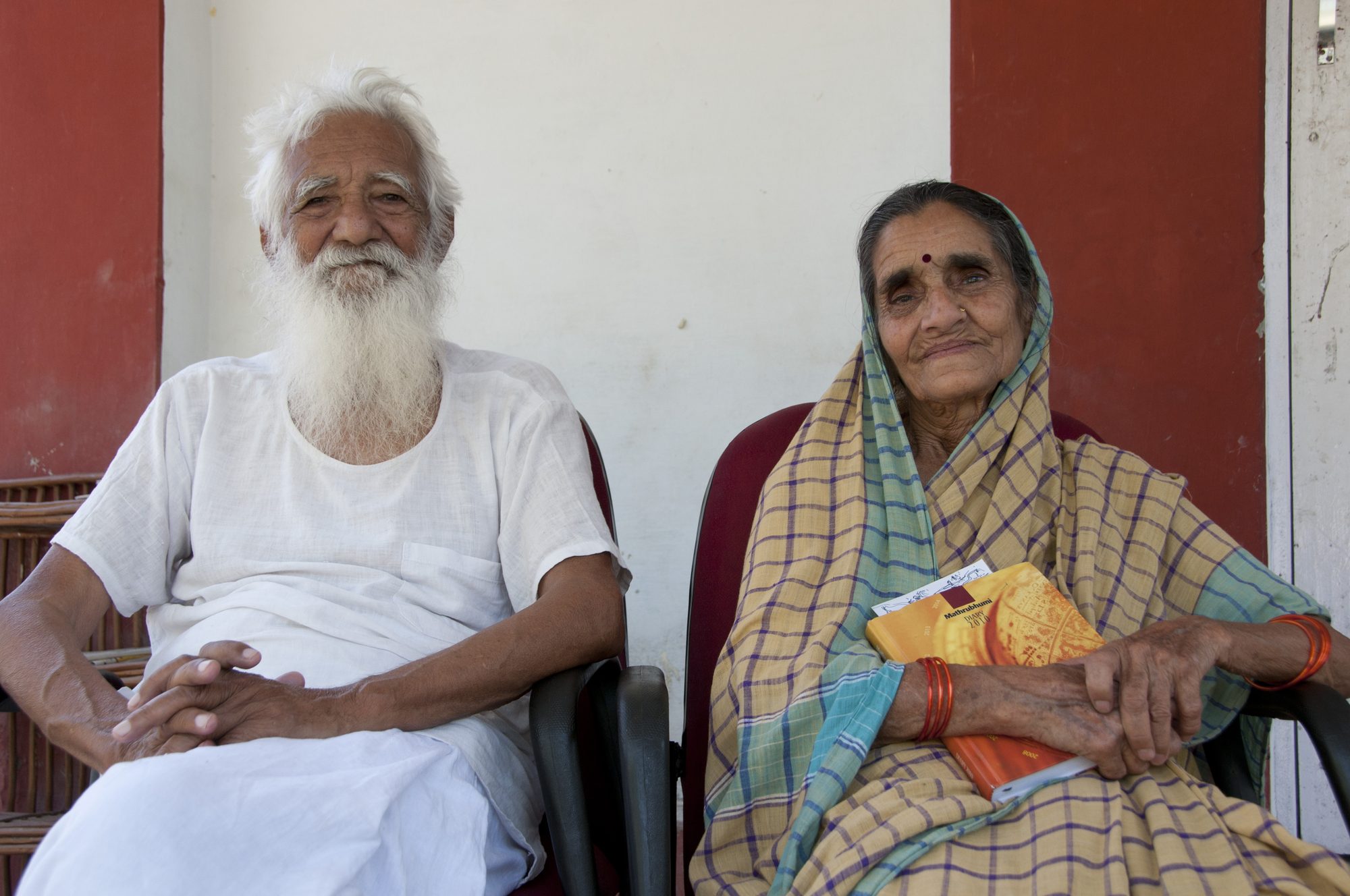
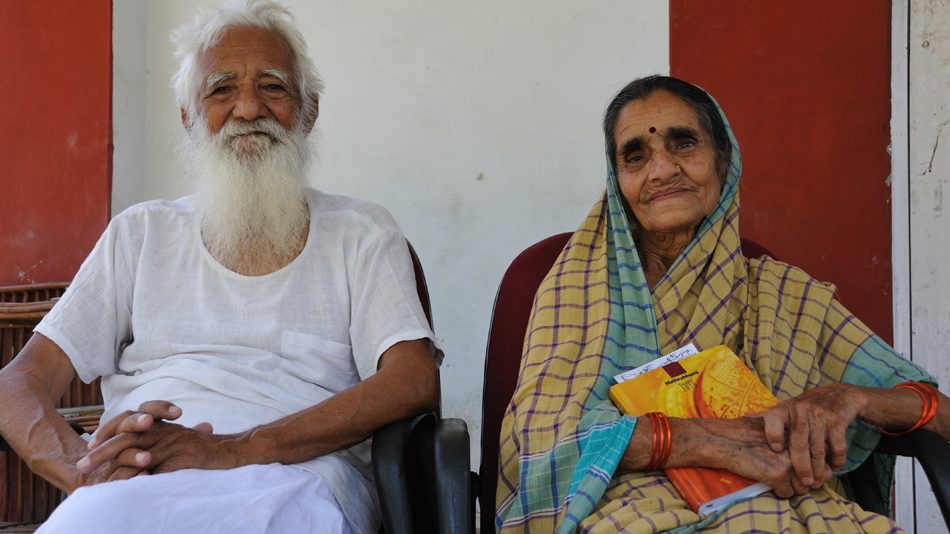
Sunderlal and Vimla Bahuguna
Together with his wife Vimla, Sunderlal Bahuguna campaigned tirelessly for decades against the deforestation of the Himalayas and the damming of the Ganges. He took an active part in the independence movement and was strongly influenced by Mahatma Gandhi’s philosophy of non-violent resistance. He went on hunger strike several times in protest against the deforestation and the dam projects on the Ganges. Sunderlal Bahuguna died in 2021, Vimla Bahuguna in 2025.
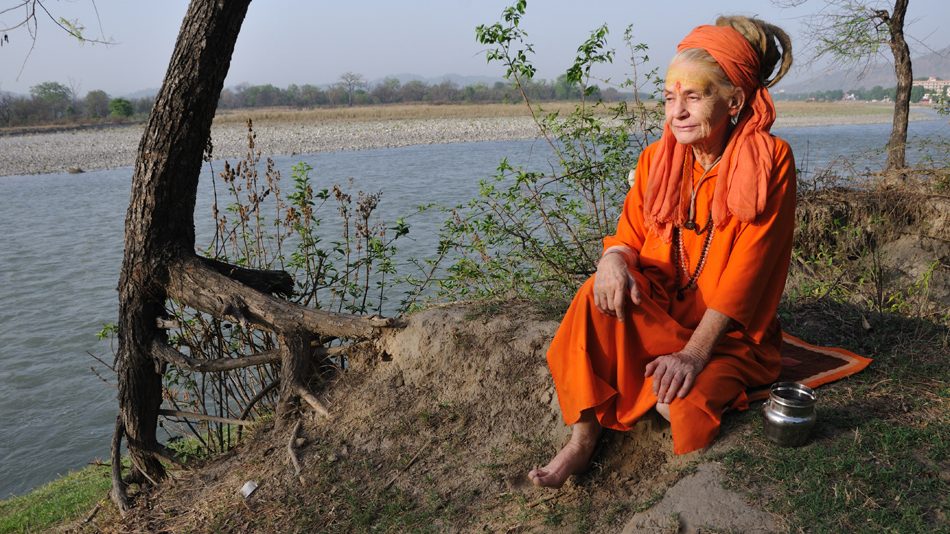
Narmada Devi Puri Ma
Narmada Puri came to India from Germany in the 1970s, at the age of 23. In Haridwar she met a yogi who became her teacher and whom she never left until his death in 2001. Since her arrival in India she has lived on the banks of the Ganga, never returning to her homeland. At the time of filming she lived in an ashram near Haridwar that is visited by many Western spiritual seekers and yoga travellers.
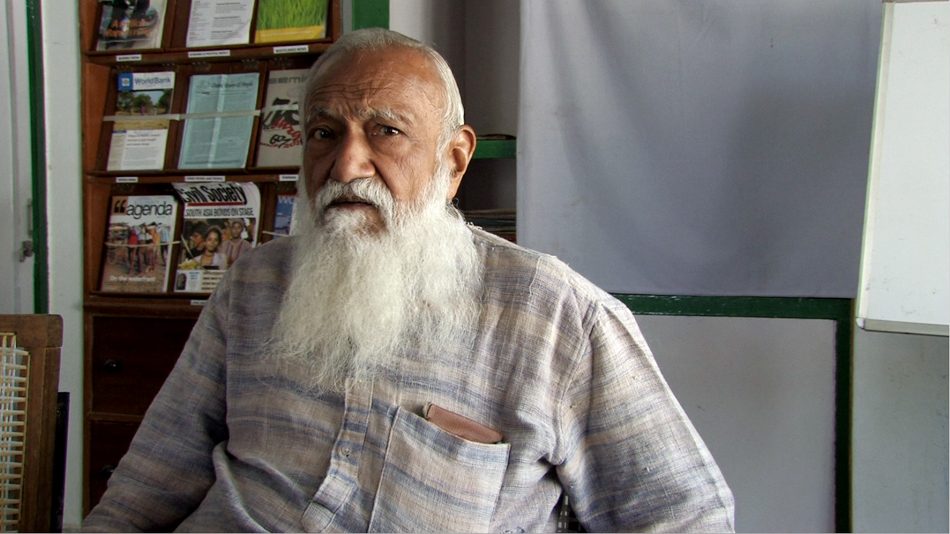
Dr G. D. Agrawal
Dr G. D. Agrawal (1932–2018) was regarded as the doyen of India’s environmental engineers. After a long career he taught as Honorary Professor of Environmental Sciences at the Mahatma Gandhi Chitrakoot Gramodaya Vishwavidyalaya in Chitrakoot, Madhya Pradesh. He became known for his successful fast in 2009 to stop the damming of the Bhagirathi River. In 2018 he died after fasting for 111 days for the protection of the Ganga.
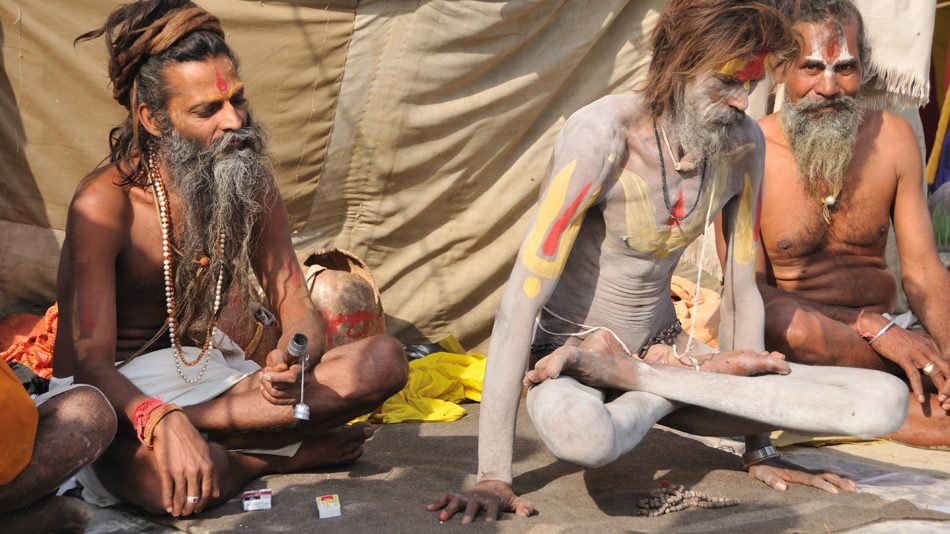
Yogis and swamis
The film also gives a voice to pilgrims, ascetics, yogis and monks, some of whom travelled more than 2,000 km to the Kumbh Mela in Haridwar, while others live on the banks of the holy Ganga.
Background
Kumbh Mela
“Long ago, the gods, the devas, lost their immortality through a curse. To regain it, they had to join forces with their enemies, the demons or asuras, and churn the ocean of milk together, for the amrit that grants immortality lay hidden in its depths. Gods and demons promised to share the nectar like brothers. But when the demons wanted to drink the precious draught, kept in a jug (kumbh), to keep immortality for themselves, Jayanta, son of the sky god, fled with the jug in the form of a crow. A fierce battle broke out between demons and gods. Pursued by the demons, the crow flew towards paradise. During the flight four drops of nectar fell to earth: today’s four holy places Haridwar, Allahabad, Ujjain and Nashik. In the end the gods prevailed, and the crow reached paradise after twelve days. Each of these days equals one year on earth. And so the Kumbh Mela, the “festival of the jug”, is held every three years in one of the four holy places, each of which hosts it every twelve years.”
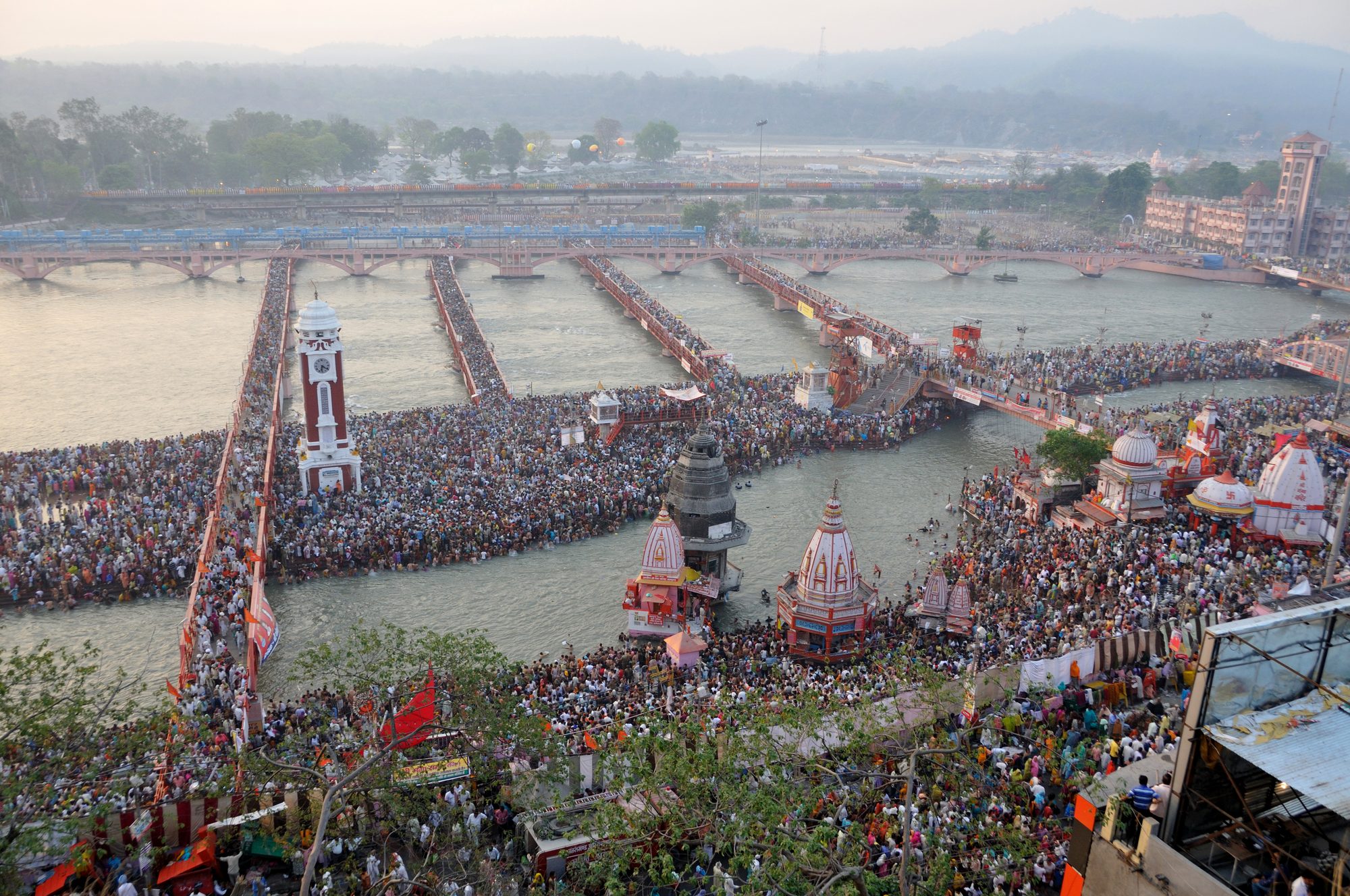
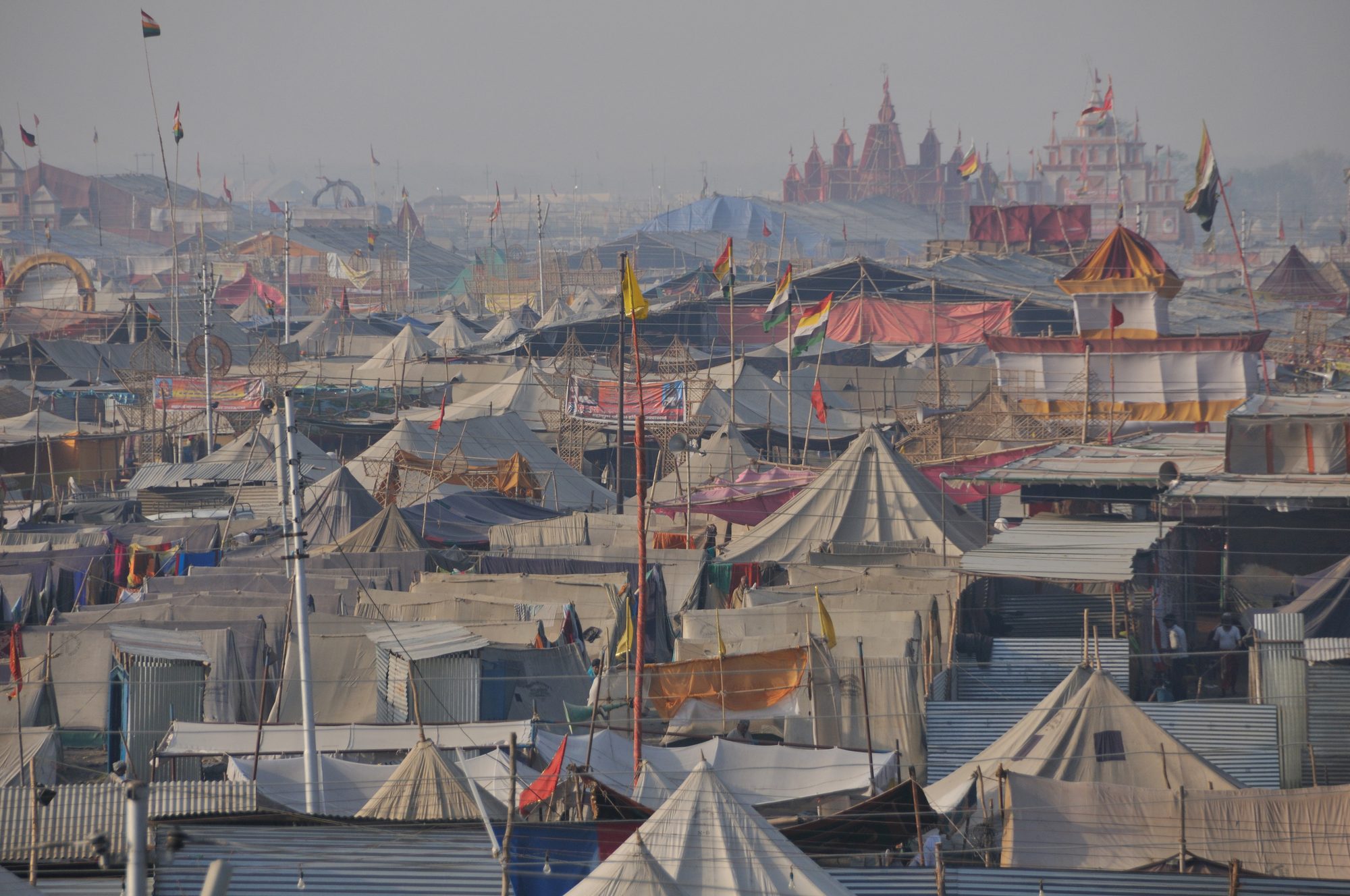
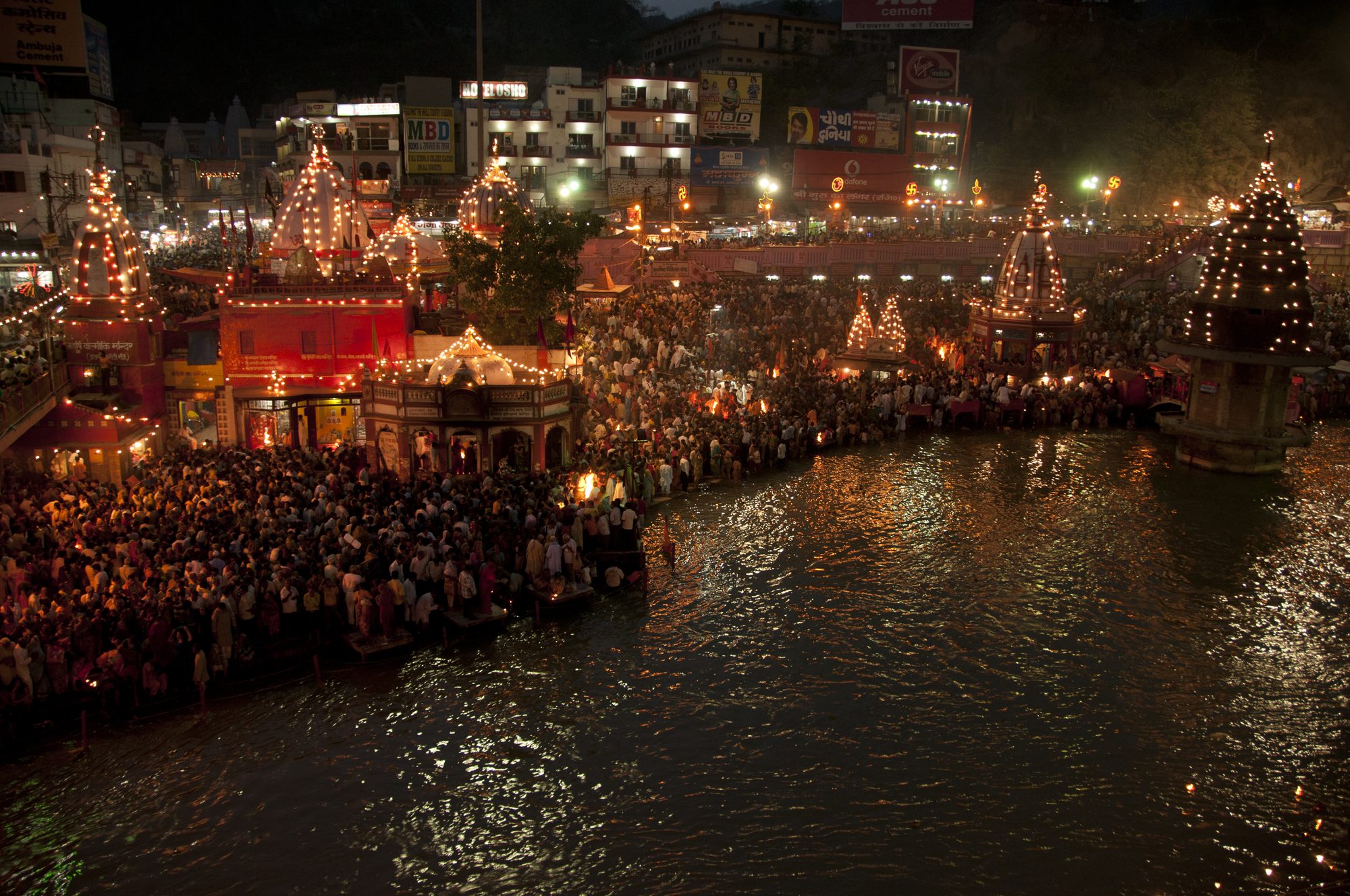
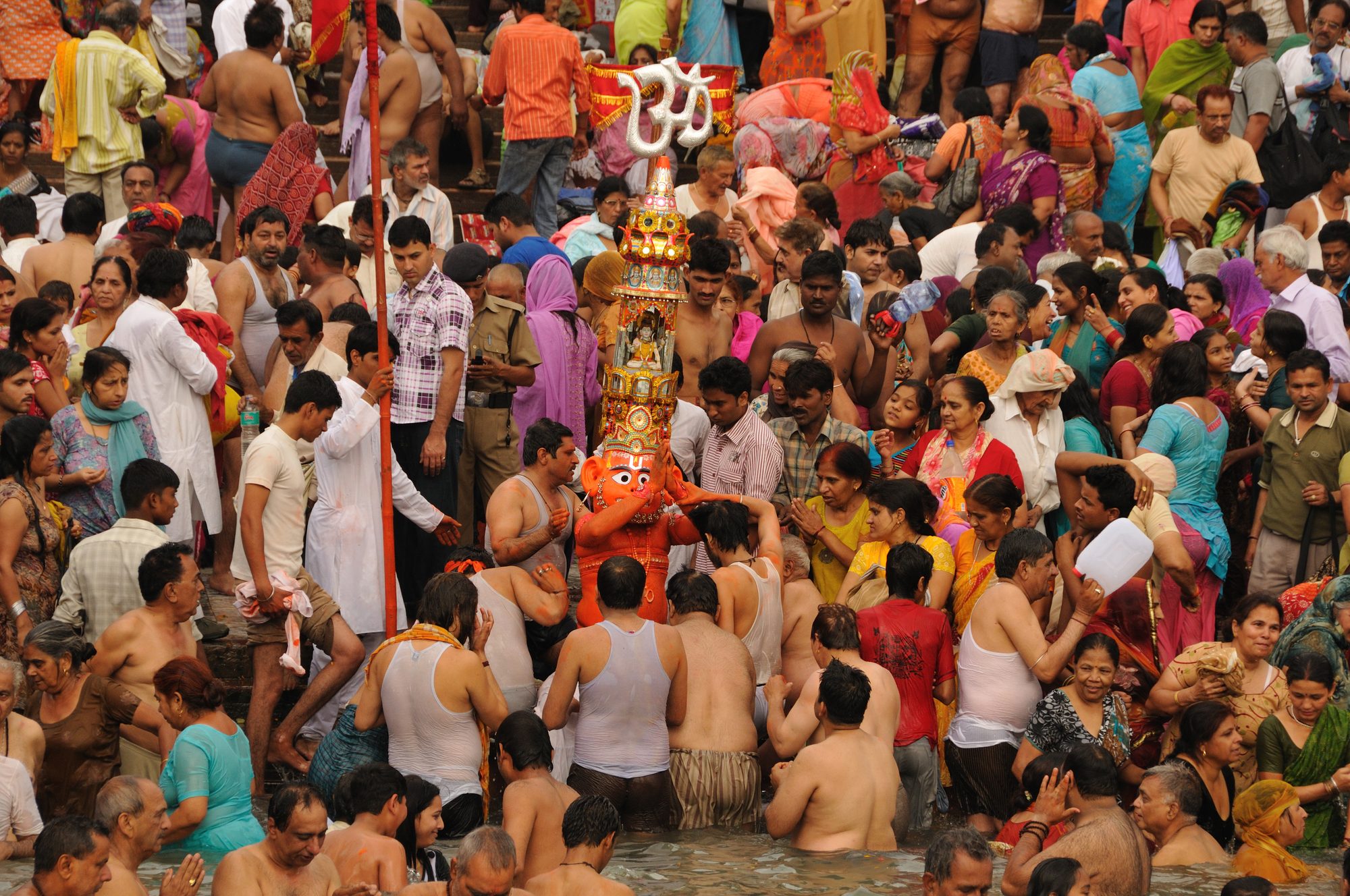
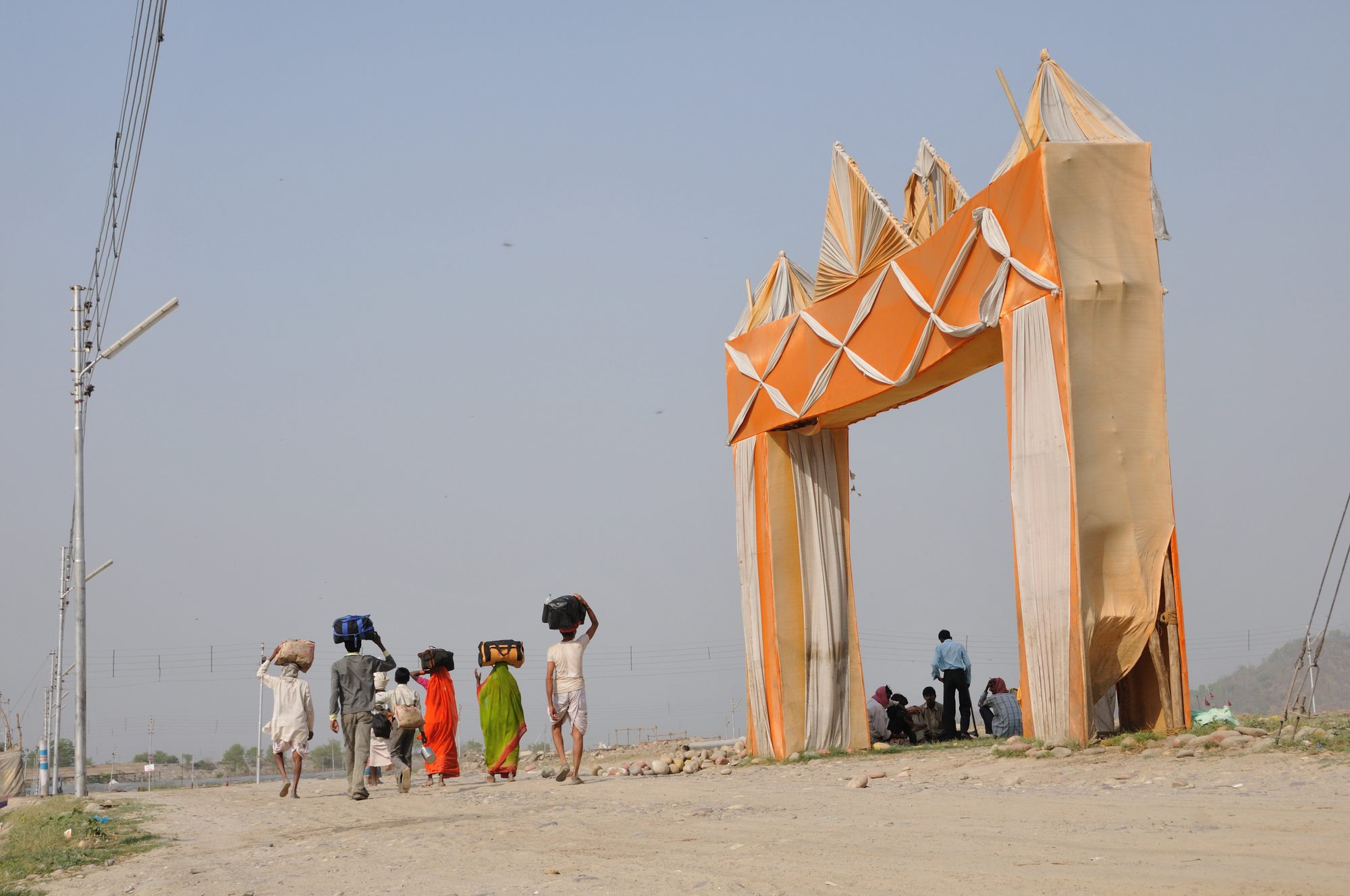
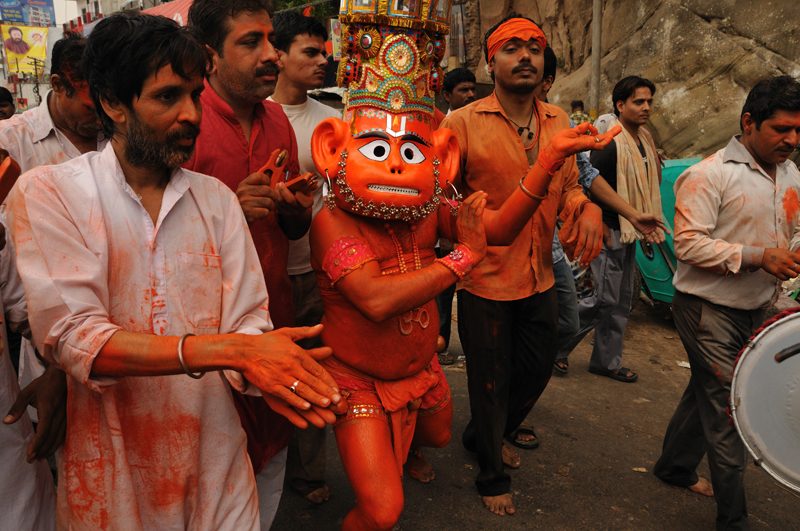
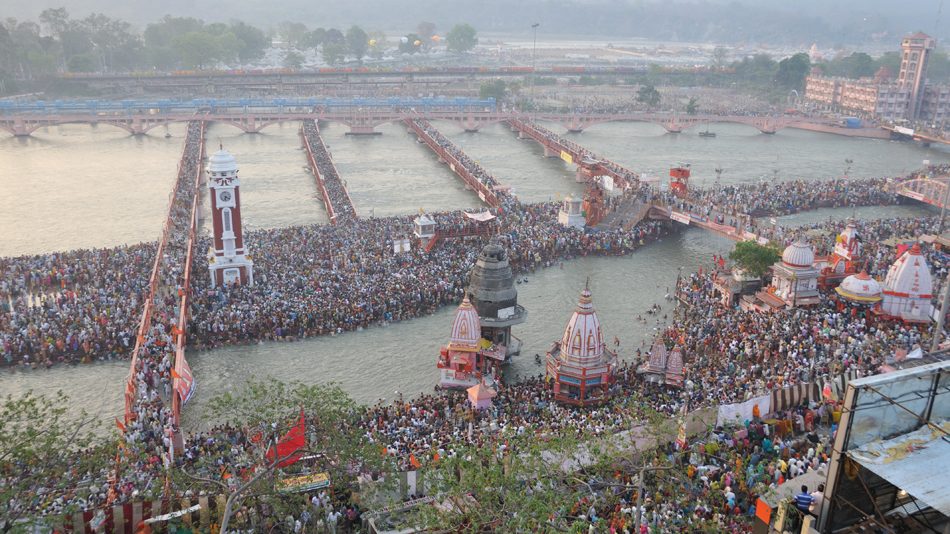
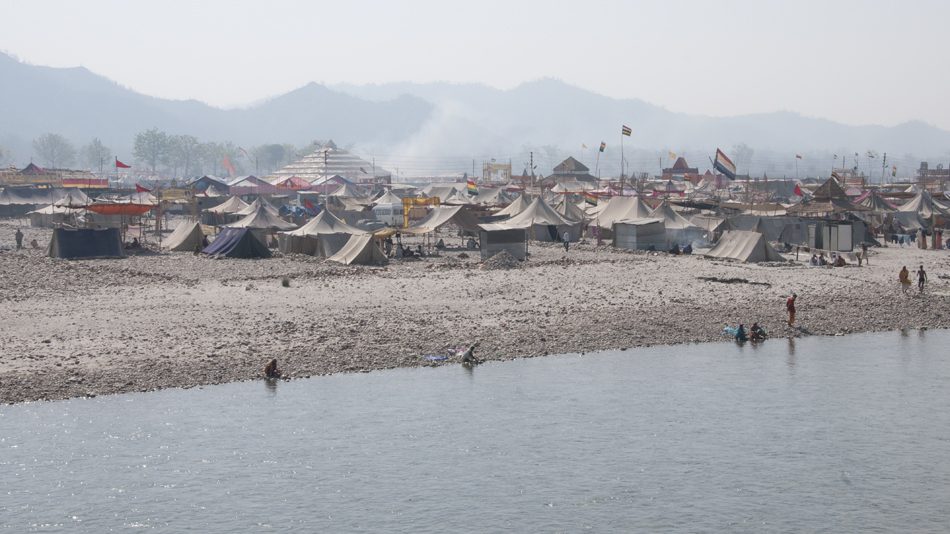
The Kumbh Mela in Haridwar lasted from 14 January to 28 April 2010. For three months a huge tent city grew on the outskirts of town, with temples, hospitals, food stalls and shops. Believers, saints, yogis, the sick, beggars and the curious from all over the world gathered on the banks of the Ganges. According to the authorities, more than 50 million pilgrims came to Haridwar during this time (in 1988 there were only 10 million). On 14 April alone, the climax of the festival, around 16.6 million people bathed in the holy Ganga during the royal bath, the Shahi Snan.
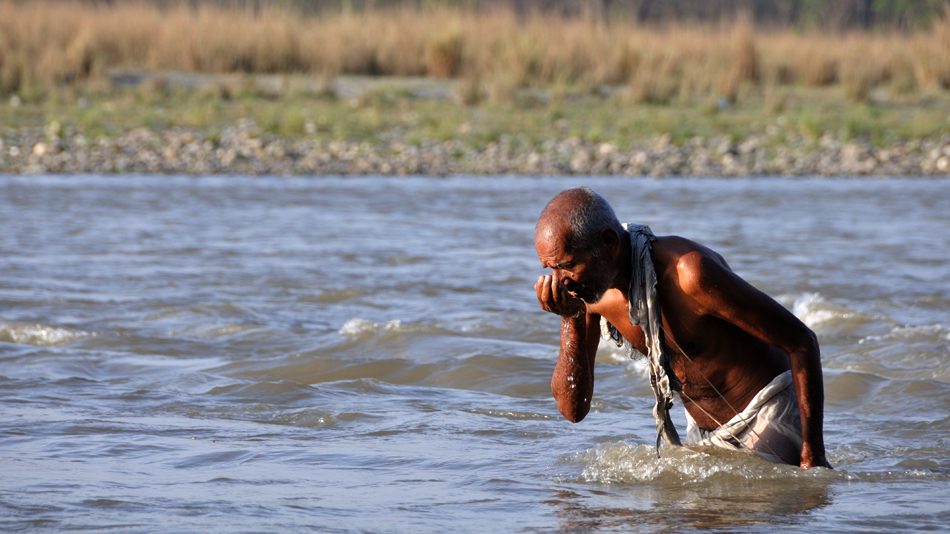
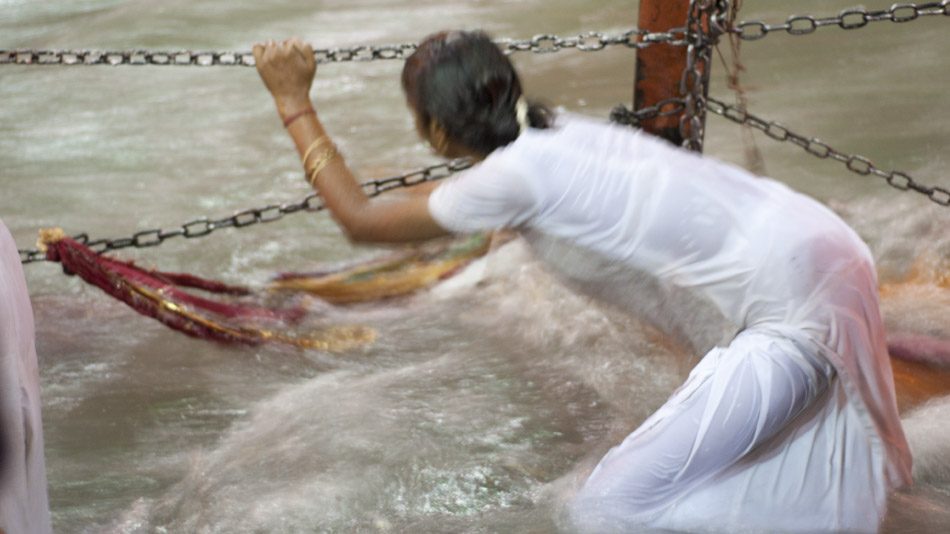
In Hindu belief, the time of the Kumbh Mela is especially auspicious for a ritual bath: because of the unique constellation of stars and planets, the water of the Ganges becomes the nectar of immortality, Amrit, during these months. This is why millions of believers from every corner of the country make the pilgrimage, to drink a few drops of the holy nectar.
Haridwar
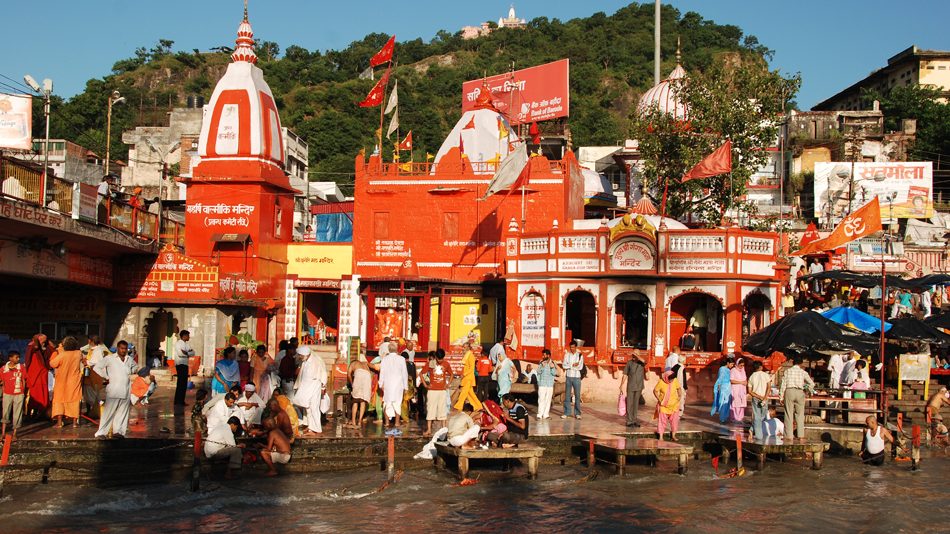
For thousands of years, Hindus from all over India have made pilgrimages to the many holy places along the Ganges. There they visit temples, pray to Mother Ganga, bathe in and drink the holy water. Haridwar is one of the most important pilgrimage sites on the Ganges and is known as the “Gateway to God” (Hari = God, Dwar = gate). The town lies at the foot of the Himalayas, where the river leaves the narrow valleys and enters the wide plains of India. All year round, millions of believers come to bathe in the holy water, to pray and meditate on its banks, to cleanse themselves of their sins or to commit the ashes of their dead to the river. Every twelve years Haridwar hosts the largest religious festival in the world, the Kumbh Mela.
Ganga
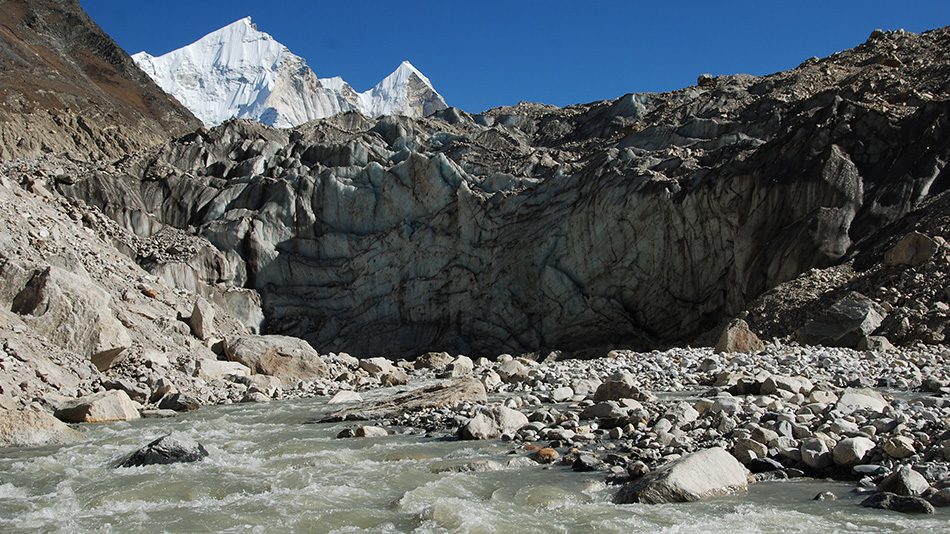
The Ganges is one of the largest and most important river systems in Asia. From its sources in the Indian Himalayas it flows 2,500 km across the north of the subcontinent and into the Bay of Bengal. As a lifeline for more than 500 million people, the river sustains much of the ecosystem of northern India.
In recent decades the water quality in its lower reaches has deteriorated dramatically. Pollution from industrial waste, toxic sewage, heavy metals and excrement is enormous. With global warming and melting glaciers, the Ganges is also under threat in its upper reaches. More and more hydropower dams are being built in the Himalayan valleys, reducing the flow of the main river. According to environmental activists, this will have far-reaching consequences for the whole ecosystem, including water shortages in cities of millions such as Kanpur and Allahabad, which draw around 70% of their drinking water from the holy river. What the future holds for the river, perhaps only the Indian gods know.
Amrit
Amrit (Sanskrit: अमृत) means “without death” or “immortality” and is often described in the ancient Hindu scriptures as the nectar of immortality. Although not etymologically related, Amrit is very close in meaning to the Greek ambrosia.
All beings in this world are mortal. In the Hindu view, however, the soul is reborn again and again according to its karmic deeds. The aim of human life is to free oneself from this cycle of rebirth and to become immortal: to realise the true self and unite the individual soul, Atman, with the universal soul, Brahman. The Hindu traditions know many paths to liberation, Moksha, to the nectar of immortality.
Images
Festivals and press
26.5.2012World premiere, 11th “Imagine India” film festival, Madrid
3.7.2012XXVI Pärnu International Film Festival, Estonia
22.7.20129th Indian film festival “Bollywood and beyond”, Stuttgart
16.8.2012Indian Film Festival Berlin
8.10.2012VI Moscow International Festival of Visual Anthropology
10.201425th International Festival of Films on Religious Themes, Prix Farel, Neuchâtel
Press
Walliser Bote, 8 June 2012 · Le Régional, 18 October 2012 · Le Messager, 26 October 2012 · The Asian Age, 18 December 2012
Soundtrack
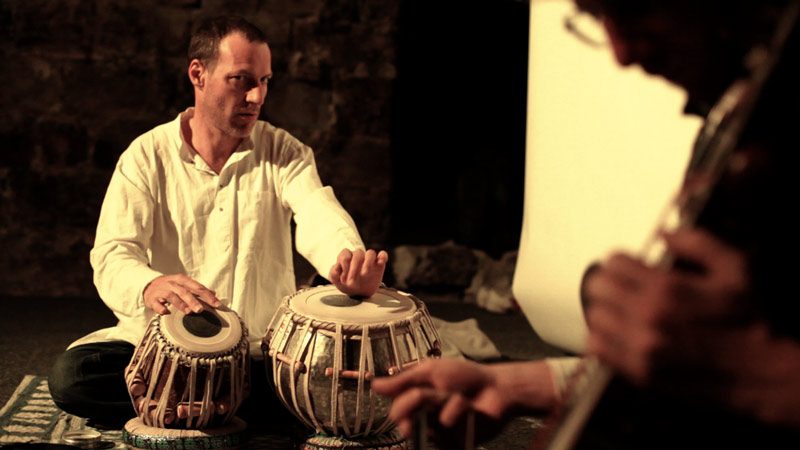
The album reflects the calm wisdom of the people in the film amid the bustle of a densely populated region. It takes you on a journey through the meditative mood of Indian music, blended with subtle atmospheric sounds. The CD also features a few bonus tracks that were not used in the film.
The music was written with Olivier Rittener, a guardian of the disappearing instruments sarangi and vichitra veena. Stephane Montangero plays the tablas after twenty years of study with the great masters of Kolkata, and Sujay Bobade the bansuri, the Indian bamboo flute. Daniel Symons aka Dymons recorded, arranged and mixed it all, adding synths, programming and field recordings from his own journeys to India, in his “Alchemy Studios” in Switzerland.
Released on 22 November 2013 by Elestial Records. Photos: Philipp Eyer, Coupdoeil · Cover design: Jonas Scheu, Amrit Medias.
WithShri Prabhuji Siddharta Krishna, Mata Ji Narmada Puri, Sunderlal Bahuguna, Vimla Bahuguna, Professor G. D. Agarwal, Kriya Yogi, Arun Mishra and the pilgrims at the Kumbh Mela